
Introduction
A beautiful tablecloth does more than protect your dining table—it adds warmth, elegance, and style to your home. Whether you use your tablecloth every day or only for special occasions, proper care is essential to maintain its appearance and extend its lifespan.
Over time, tablecloths can become stained, faded, wrinkled, or damaged if they are not cleaned and stored correctly. Fortunately, preserving their beauty is simple when you follow a few practical habits. In this guide, you'll learn how to clean, wash, dry, iron, and store your tablecloth properly so it stays looking like new for years.
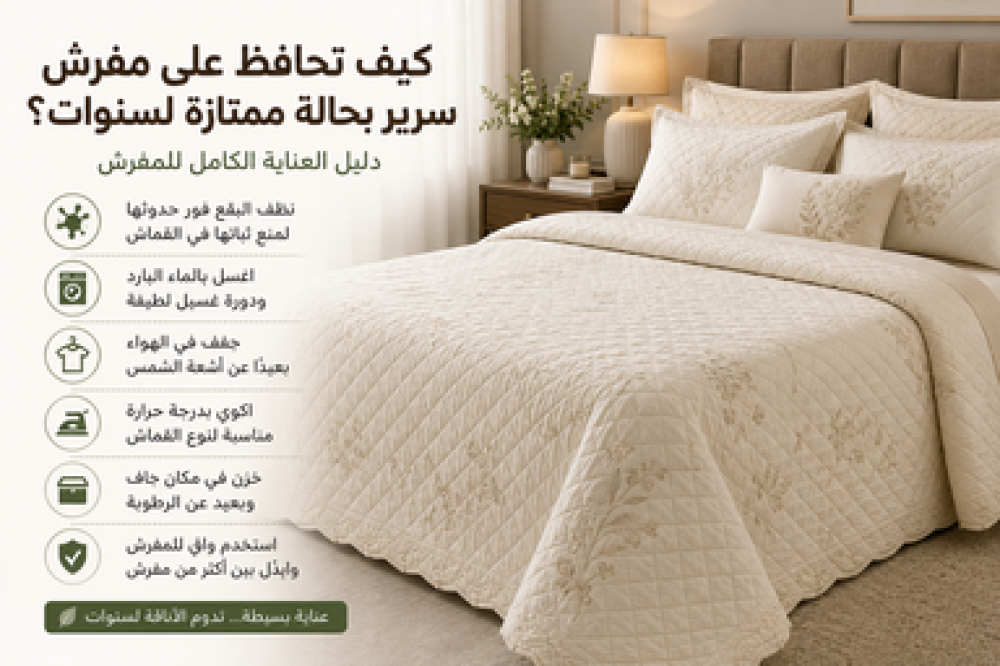
Read the Care Label Before Washing
The first step in maintaining any tablecloth is reading the care label. Different fabrics such as cotton, linen, polyester, satin, and velvet require different washing temperatures and care methods.
Following the manufacturer's instructions helps prevent shrinking, fading, and fabric damage while preserving the quality and appearance of your tablecloth.
Remove Stains Immediately
The sooner you treat a stain, the easier it is to remove.
If food or drinks spill on your tablecloth, gently blot the stain with a soft cloth instead of rubbing it, as rubbing can spread the stain deeper into the fibers. Use a fabric-safe stain remover and always test it on a hidden area before applying it to the visible surface.
Quick action can prevent permanent stains and keep your tablecloth looking fresh.
Choose the Right Washing Method
Using the correct washing method significantly extends the life of your tablecloth.
Wash most tablecloths in cold or lukewarm water using a gentle cycle and a mild detergent. Separate dark-colored fabrics from lighter ones to avoid color transfer. If your tablecloth features delicate embroidery, lace, or premium fabrics, hand washing is usually the safest option.
Proper washing protects both the fabric and its colors.
Avoid Using Too Much Bleach
Although bleach may seem like an effective solution for stubborn stains, frequent use weakens fabric fibers and causes colors to fade over time.
Instead, choose oxygen-based stain removers or gentle fabric cleaners that are specifically designed for delicate materials. These products clean effectively while maintaining the strength and appearance of the fabric.
Dry Your Tablecloth Properly
Drying is just as important as washing.
Whenever possible, air dry your tablecloth in a shaded, well-ventilated area. Prolonged exposure to direct sunlight may fade colors and weaken fabric fibers.
If you prefer using a dryer, select a low-heat setting to minimize shrinkage and protect the material from unnecessary wear.
Iron with Care
Ironing gives your tablecloth a clean and elegant appearance, especially before family gatherings or special occasions.
Always adjust the iron temperature according to the fabric type. Ironing while the tablecloth is slightly damp usually produces the best results. For delicate materials like satin or velvet, place a pressing cloth between the iron and the fabric to prevent damage.
Store Your Tablecloth Correctly
Proper storage is essential for maintaining your tablecloth when it's not in use.
Fold it neatly and store it in a cool, dry place away from humidity. Breathable fabric storage bags are preferable to plastic bags because they allow air circulation and help prevent moisture buildup.
For premium tablecloths, placing acid-free tissue paper between the folds helps reduce deep creases and protects the fabric during long-term storage.
Protect Your Tablecloth During Everyday Use
Using protective accessories can greatly extend the life of your tablecloth.
Placemats, coasters, table pads, and transparent table protectors help reduce direct contact with hot dishes, spills, scratches, and daily wear. These simple additions preserve both the fabric and its appearance.
Rotate Between Multiple Tablecloths
Using the same tablecloth every day naturally increases wear and tear.
Keeping several tablecloths for everyday meals, holidays, and special occasions allows you to rotate them regularly. This reduces washing frequency and helps each tablecloth maintain its quality for much longer.
Inspect Your Tablecloth Regularly
Take a few minutes every so often to examine your tablecloth for loose threads, small tears, worn edges, or stains that may need additional treatment.
Repairing small issues early prevents them from becoming larger problems and extends the overall lifespan of your tablecloth.
Common Mistakes to Avoid
Many people accidentally shorten the lifespan of their tablecloth by leaving stains untreated for too long, washing every fabric in hot water, drying under direct sunlight, using excessive bleach, storing the tablecloth while it's still damp, or ironing at temperatures that are too high.
Avoiding these common mistakes can make a significant difference in how long your tablecloth stays in excellent condition.
Why Proper Tablecloth Care Matters
Taking good care of your tablecloth helps preserve its colors, maintain the strength of the fabric, reduce replacement costs, and keep your dining area looking elegant and welcoming.
A well-maintained tablecloth not only protects your furniture but also enhances the atmosphere of every meal and gathering.
Conclusion
Keeping your tablecloth in excellent condition doesn't require complicated routines or expensive products. By treating stains immediately, washing with care, drying properly, storing it correctly, and protecting it during everyday use, you can enjoy a beautiful, fresh-looking tablecloth for many years.
With just a little regular care, your tablecloth will continue to add style, comfort, and elegance to your home while maintaining its quality and durability over time.